

Some women struggling with alcohol issues in Blackpool have avoided getting help because they feared they might lose their children if they admitted having a drink problem.
This was one of the issues which came to light in the latest annual Healthwatch Blackpool report, from 2024/5.
The wide-ranging report showed some positive findings which have been welcomed, but also highlighted some concerning issues, showing that stigma and lack of awareness meant many people did not access the services which could help them.
The report was prepared for Blackpool Council’s Adult Social Care and Health Scrutiny Committee last week.
Healthwatch Blackpool is an independent statutory body that acts as the local consumer champion for health and social care services in Blackpool.
It is designed to ensure that residents’ voices, experiences, and feedback are heard by local decision-makers, including the NHS and local authority, to improve the quality of care services.
Findings of the research will be used to shape better services and support for residents.
The latest report included alcohol -related issues in Blackpool, why some people turned to alcohol and their attitude to services which provide support.
What report found
The report stated: “Findings show that women, older adults and LGBTQ+ residents have little awareness of local alcohol services, stigma prevents access, and more inclusive, person-centred support is needed.
“The Blackpool Alcohol Prevention and Harm Reduction Strategy (2024–2027) aims to improve access to alcohol support services, particularly for women, older adults (55+), and LGBTQ+ residents.
“To inform this, Healthwatch Blackpool engaged with 374 residents using surveys, focus groups, door-knocking and events, gaining vital insights into alcohol culture, service awareness, and key barriers to support.
“Key things we heard: 40% of older adults use alcohol as a coping mechanism to manage stress, loneliness, or boredom. 72% of female respondents had never used an alcohol support service in Blackpool.”
A mum told the team: “I didn’t access any services because I was terrified I’d lose my kids. I wouldn’t even go to alcoholics anonymous.”
Highlighting the difference the research can make, the report added: “It has amplified the voices of underrepresented groups, gaining a deeper understanding of how alcohol support is provided in Blackpool.
“As a result, local strategies are now better aligned with community needs, prompting new service developments, shaping awareness campaigns, and ensuring that support feels more accessible for all.
“ We’re here for all residents of Blackpool. That’s why, over the past year, we’ve worked hard to reach out to those communities whose voices may go unheard.”
The report said that over the 2024/5 year, 3,077 people shared their experiences of health and social care services with the Healthwatch Blackpool, helping to raise awareness of issues and improve care. 251 people came to the team for clear advice and information on topics such as communication with Blackpool Victoria Hospital and accessing NHS dentistry.
Its most popular report was Menopause and Wellbeing in Blackpool, highlighting feedback from individuals experiencing menopause, employers, healthcare professionals and loved ones.
What they say
Amy Butler, Healthwatch Blackpool Manager, said: “Through heartfelt conversations, community events, surveys, and co-produced projects, we’ve heard directly from people across Blackpool.
“Time and time again, they’ve told us what matters most to them and we’ve acted on it. We’ve seen the difference that real involvement makes, not only in shaping better services, but in restoring confidence to those navigating the health and care system.
“ As we look ahead, we will continue to speak up, stand beside our community, and ensure that the voices of Blackpool shape a health and care system that is fair, inclusive, and compassionate. In 2025–26, we will keep pushing for the care every person deserves.”
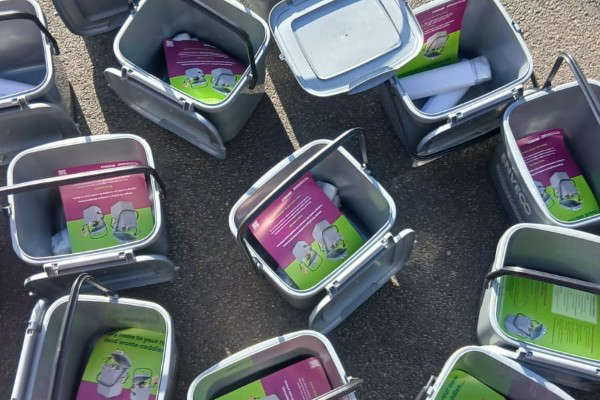 New weekly food waste collections to launch alongside household bin collection changes in Blackpool
 First phase of major town centre £17m road upgrade starts
 Proposals for children’s home recommended for approval despite concerns
 Favourite Venue Re-opens for Easter
 Proposals for two-storey holiday accommodation all set for planners
 Tram track upgrade works to resume in Fleetwood after Easter break